

The historical evolution of casinos from ancient games to modern gambling hotspots
The Origins of Gambling: Ancient Civilizations
The concept of gambling can be traced back to ancient civilizations, where games of chance emerged as forms of entertainment and social interaction. In Mesopotamia, dice made from animal bones were used around 3000 BC, indicating that people enjoyed placing bets on the outcomes. Similarly, the ancient Egyptians and Chinese engaged in various games, with the latter developing games of chance such as Keno, which would eventually influence future gambling practices. These early forms of gambling laid the groundwork for the development of casinos as we know them today.
In ancient Rome, betting was prevalent, especially on gladiatorial contests and chariot races. The Romans established a social culture around gambling that involved both spectators and participants. They also created rudimentary gaming houses where people could place bets and play games such as dice and board games. This early integration of gambling into public life fostered a community where people gathered to enjoy the thrill of chance, paving the way for the emergence of more structured gambling establishments.
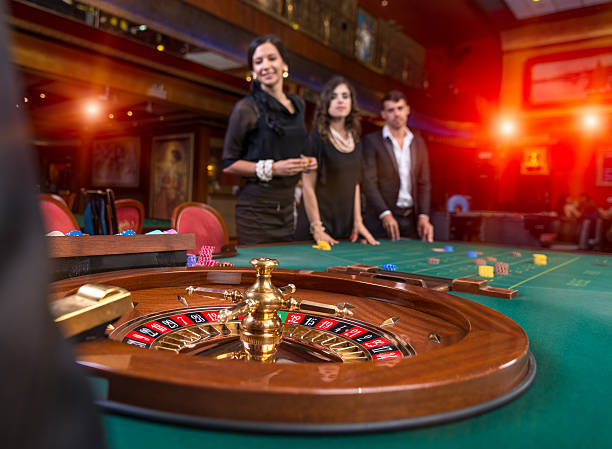
Throughout these ancient societies, gambling was often intertwined with religious rituals and social customs. In China, the practice of casting lots for various purposes, including divination, was common. These cultural contexts added layers of significance to gambling activities, transforming them from mere games of chance into vital components of social identity and community bonding. As these early forms of gambling evolved, the need for dedicated spaces for these activities became apparent, setting the stage for the first casinos.
The Birth of Casinos in Europe
The modern casino concept began to take shape in the 17th century in Europe, particularly in Italy. The establishment of the first official gambling house, known as the Ridotto, in Venice in 1638 marked a significant development in the evolution of casinos. The Ridotto provided a controlled environment for gaming, where players could partake in games such as faro and basset. This institution not only catered to the wealthy but also attracted a wider audience, demonstrating that gambling had become a popular pastime.
As the casino culture spread across Europe, other countries began to open their own establishments. France played a pivotal role in shaping the casino experience, with Paris becoming a hub for gambling activities. The introduction of games such as roulette in the 18th century further popularized these venues, drawing in a diverse clientele. This period also saw the rise of gambling regulations, as governments recognized the potential for revenue generation and sought to monitor these activities more closely.
The evolution of casinos during this time was accompanied by lavish designs and opulent atmospheres, transforming gaming houses into luxurious destinations. The architecture of these venues often mirrored the grandeur of palaces, complete with elaborate decor and entertainment options. This shift not only enhanced the gambling experience but also elevated casinos to social institutions where patrons could indulge in leisure and luxury, further solidifying their place in European culture.
The 19th century saw the global expansion of casinos as they began to appear in various parts of the world. The establishment of Monte Carlo Casino in 1863 marked a new era in gambling, attracting affluent patrons and solidifying Monaco’s status as a gambling capital. This casino introduced a level of sophistication and glamour previously unseen, featuring high-stakes games that appealed to the elite. The allure of such venues drew tourists from around the globe, setting off a domino effect of casino openings in other regions.
During this period, the United States began to embrace gambling culture, with the Gold Rush leading to the establishment of gaming houses in places like San Francisco and Nevada. The legalization of gambling in Nevada in 1931 eventually culminated in the rise of Las Vegas as a premier gambling destination. This city would come to symbolize the modern casino experience, offering a fusion of entertainment, luxury, and gambling that appealed to a broad spectrum of visitors.
The global casino landscape continued to evolve throughout the 20th century, with emerging markets in Asia, particularly in Macau, reshaping the industry. Macau’s transformation into a gambling mecca attracted millions of visitors, combining luxury resorts with an array of gaming options. The interplay of culture, tourism, and gambling has made these global hotspots pivotal players in the casino industry, influencing trends and practices worldwide.
The Digital Revolution and Online Casinos
The advent of the internet in the late 20th century revolutionized the gambling industry, giving rise to online casinos that made gaming accessible to a broader audience. Online gambling platforms emerged in the mid-1990s, allowing players to enjoy their favorite games from the comfort of their homes. This development disrupted traditional brick-and-mortar casinos, forcing them to adapt to a new digital landscape while providing innovative experiences to their clientele.
Online casinos offer a vast selection of games, ranging from classic slots to live dealer experiences, catering to diverse preferences. This digital expansion also introduced features such as bonuses and promotions that incentivize new players. Online gambling platforms often provide a more flexible gaming experience, allowing players to engage in gaming activities at their convenience. The ability to play anytime and anywhere has significantly altered the gambling landscape, attracting millions of participants worldwide.
Despite concerns regarding security and responsible gambling, online casinos have implemented measures to ensure player safety and maintain regulatory compliance. Today, many jurisdictions have embraced online gambling, recognizing its potential for economic growth. The continued evolution of technology, including mobile gaming applications, has further enhanced the accessibility and appeal of online casinos, ensuring that the gambling industry remains vibrant and dynamic.
BetWest Casino: A Modern Gambling Destination
exemplifies the evolution of gambling in the digital age, offering a comprehensive online gaming experience tailored to modern players. With an impressive catalog of over 10,000 titles, including slots, live dealer games, and sports betting across numerous disciplines, BetWest has established itself as a premier destination for Canadian gamblers. New players are welcomed with enticing bonuses, making it an appealing option for those exploring the world of online gambling.
The platform’s user-friendly design ensures seamless navigation, allowing players to access games, promotions, and account management with ease. BetWest places a strong emphasis on providing a secure environment, incorporating KYC verification and 24/7 customer support to enhance the gaming experience. These features create a trustworthy atmosphere where players can engage responsibly while enjoying their favorite games.
As the online gambling landscape continues to evolve, stands at the forefront, embracing innovation and customer satisfaction. With its commitment to offering a rich gaming experience combined with top-notch security measures, BetWest represents the next generation of casinos, reflecting the historical journey from ancient games to today’s modern gambling hotspots.