

Understanding the Basics of Bluffing
Bluffing in poker is an intricate skill that combines knowledge of the game with a solid grasp of psychological principles. At its essence, bluffing revolves around crafting a narrative that convinces your opponents you have a stronger hand than you actually do. This requires keen observation of your opponents’ actions and betting patterns. Many players enjoy practicing these skills while playing at an online casino australia , where they can identify the optimal moment to execute a bluff, thereby increasing your odds of winning the pot.
The success of a bluff often depends on the dynamics at the table. For instance, if you notice that your opponents are conservative players who tend to fold in the face of aggressive betting, this may signal an opportunity for you to make a bold move. Conversely, if you are up against opponents who are more loose and willing to call bets, your bluff may need to be more elaborate to be effective. Understanding the mood of the table and the personalities of the players involved is crucial for executing successful bluffs that won’t lead to your downfall.
Timing is another critical factor in the art of bluffing; your bluff must correspond with the progression of the hand. A well-timed bluff can be particularly impactful when the community cards present opportunities for strong hands. For example, if the board reveals cards that could potentially complete a flush or straight, you can leverage this to enhance your story, suggesting you hold a powerful hand. The overarching goal is to instill doubt in your opponents, prompting them to fold instead of challenging what appears to be your strength.
Common Bluffing Techniques and Strategies
Mastering various bluffing techniques is vital for adapting your strategy during a game. One widely used approach is the “semi-bluff,” where you bet or raise with a hand that has the potential to improve on subsequent betting rounds. For example, if you hold three hearts and the board shows two hearts, you can represent a strong flush while also having the chance to complete your hand. This strategy allows you to benefit either by convincing opponents to fold or by drawing the winning hand later.
Another common method is the “pure bluff,” which involves betting with a weak hand that cannot win if called. This technique carries more risk, as its success relies heavily on persuading your opponents that you have a superior hand. To execute a pure bluff effectively, you must be acutely aware of your opponents’ tendencies and capable of reading the table. A well-timed pure bluff can turn the tide of a game, but poor execution could lead to significant losses if your opponents decide to challenge you.
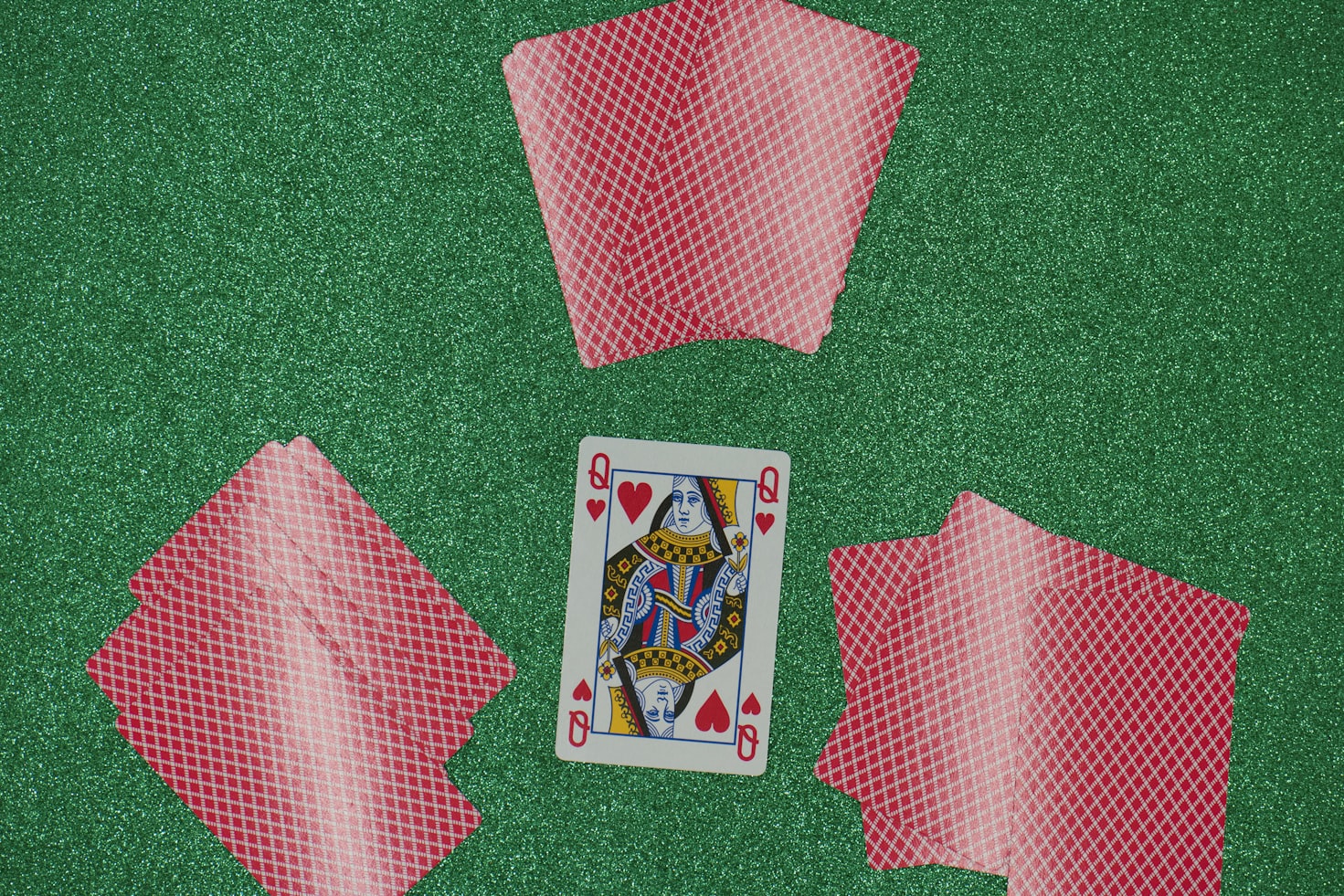
The “compression bluff” is another technique worth mastering. This strategy involves creating a scenario where your opponents feel compelled to commit to the pot. By applying pressure through aggressive betting, you can force your opponents into a difficult position where folding becomes less appealing. The key is to reduce the number of players in the hand, as the fewer opponents you face, the higher your chances of succeeding with a bluff. Each of these techniques provides unique advantages and can be tailored to suit specific game situations, enriching your overall bluffing toolkit.
The Psychology of Bluffing
To bluff effectively, one must grasp the underlying psychological dynamics at play. Understanding the mindset of your opponents can provide a significant edge when sitting at the table. For instance, overly confident players may be more challenging to bluff, as they might be less inclined to fold. In contrast, players who exhibit signs of nervousness or hesitation in the face of aggression are more susceptible to a well-placed bluff. Paying attention to body language, facial expressions, and betting patterns can yield vital insights into your opponents’ mental states.
Moreover, maintaining a consistent playing style can enhance the effectiveness of your bluffs. If your opponents cannot differentiate between your bluffs and your strong hands, they are more likely to misinterpret your bets. For example, if you typically play aggressively, a sudden switch to a passive betting style might signal to your opponents that you have a strong hand, making your bluffs more believable when you revert to an aggressive approach. This unpredictability can serve as a powerful tool in your bluffing arsenal.
Additionally, the ability to remain calm under pressure can significantly bolster the success of your bluffing efforts. If you can exude confidence and maintain composure, your opponents are more likely to buy into your narrative. Conversely, if you show signs of stress or uncertainty, they may suspect that you are attempting a bluff. Striking a balance between emotional control and strategic betting is essential in mastering the psychological component of bluffing, allowing you to manipulate the dynamics of the table to your advantage.
Reading Opponents and Adjusting Your Tactics
The skill of reading your opponents is foundational to successful bluffing in poker. Every player has distinct tendencies, and recognizing these patterns can greatly influence your strategy. For example, some players may chase pots aggressively, regardless of hand strength, while others may take a more cautious approach. By observing these behaviors and adjusting your bluffing tactics accordingly, you can exploit weaknesses in their gameplay. The more experience you gain, the better equipped you will be to identify these subtleties and use them to your advantage.
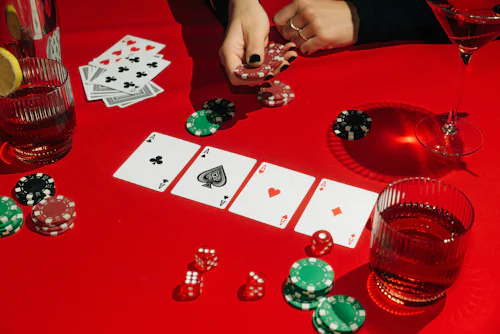
Additionally, adapting your bluffing strategy to align with the dynamics of a specific table is crucial, as poker is not a universal game. If you find yourself at a table filled with aggressive players, you may want to moderate your bluffing until you can identify vulnerabilities in their strategy. Conversely, against more passive opponents, a well-timed bluff may yield substantial rewards. The ability to recognize when to modify your approach can elevate your game and enhance your overall success rate.
Finally, reflecting on your gameplay and learning from each session will provide invaluable insights as you refine your ability to read opponents. Keeping track of your bluffs and their outcomes can help you analyze what was effective and what fell short. Continuous learning and applying these lessons will enhance your poker skills and improve your ability to bluff effectively in various situations, making you a formidable presence at any casino table.
Learn More About Poker and Bluffing Strategies
If you are interested in further exploring the intricacies of bluffing and poker strategies, a plethora of resources are available today. Engaging in dedicated poker forums, watching instructional videos, or reading comprehensive books can provide a wealth of information. Many experienced players share their insights and techniques, offering invaluable guidance that can hone your skills. Additionally, participating in online poker games offers practical experience and opportunities to experiment with different bluffing strategies.
Consider practicing through mock poker games with friends or on online platforms that facilitate free play. This environment allows you to test various bluffing techniques without the pressure of real money on the line. Such practice sessions can help solidify your understanding of when to bluff, how to read opponents, and how to maintain emotional control. By refining these skills, you increase your odds of success when facing real players in casinos.
Lastly, staying abreast of the latest poker trends and strategies is essential, as the game is continuously evolving. New tactics and methods are frequently introduced, influenced by the shifting landscape of poker. By dedicating time to learn and practice, you will not only master the art of bluffing but also enhance your overall play, making you a more skilled and adaptable player in any poker environment.